Strait of Hormuz Crisis Deepens as Trump Seeks Naval Support, Gulf Attacks Disrupt Global Energy Routes
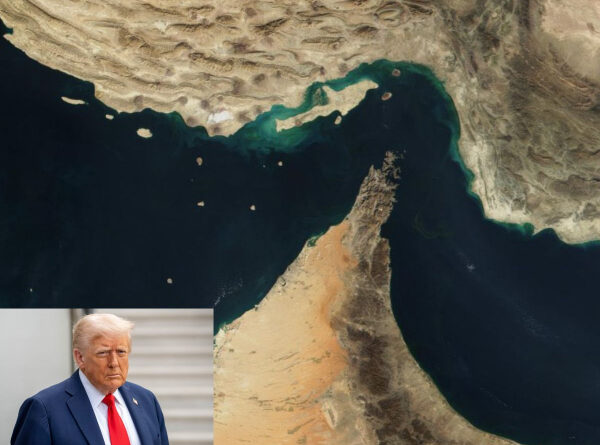
Dubai/Washington: The ongoing Iran–US–Israel conflict is increasingly threatening global energy security, with the Strait of Hormuz once again emerging as the world’s most sensitive geopolitical chokepoint as military tensions escalate across the Gulf region.
US President Donald Trump has reportedly asked several countries to deploy naval assets to ensure the security of the strategic waterway, through which nearly 20 percent of the world’s oil trade normally passes.
The move comes amid continuing missile and drone exchanges across the region and growing concerns over disruptions to global oil supplies.
Gulf Region Under Attack
Dubai International Airport, the world’s busiest hub for international travel, partially resumed operations after a drone strike hit a fuel storage facility, triggering a fire. Authorities said the blaze was quickly contained and no casualties were reported.
In the UAE, officials also reported missile strikes that resulted in civilian casualties, while Saudi Arabia and Bahrain confirmed intercepting multiple drones and missiles targeting key infrastructure.
Reports also indicated a drone strike on an oil facility in Fujairah, highlighting the vulnerability of energy infrastructure in the Gulf.
Oil Prices Surge as Conflict Intensifies
Global markets reacted sharply to the developments, with Brent crude trading near $105 per barrel, reflecting fears of supply disruptions. Analysts say prolonged instability in the Strait of Hormuz could significantly affect oil and gas shipments to Asia and Europe.
Iran has accused the United States of using regional bases to launch attacks on its energy infrastructure, including facilities linked to its oil exports, though no evidence has been publicly presented.
Expanding Military Operations
Meanwhile, Israeli military operations have reportedly expanded into Lebanon, with officials describing the move as a limited operation aimed at countering Hezbollah positions. Reports from Lebanon indicate heavy casualties and large-scale displacement as the humanitarian situation worsens.
The Israeli military has claimed significant damage to Iran’s missile infrastructure, stating that a large portion of launch systems have been destroyed, though independent verification remains limited.
Global Diplomatic Moves
The European Union is also considering naval options to protect shipping routes, while China has called for de-escalation and dialogue, highlighting concerns about global trade disruptions.
Trump has suggested that cooperation from major oil-importing countries, including China, could be crucial in maintaining maritime security, even hinting that diplomatic engagements may be influenced by Beijing’s response.
Strategic Waterway at the Centre
The Strait of Hormuz remains one of the world’s most critical maritime corridors, connecting the Persian Gulf with global markets. Any prolonged disruption could have ripple effects across energy markets, supply chains and inflation worldwide.
As tensions continue, global attention remains focused on whether diplomatic efforts can prevent a wider regional conflict that could reshape energy geopolitics.


