Mojtaba Khamenei Emerges as Key Figure in Iran’s Leadership Debate After Airstrike
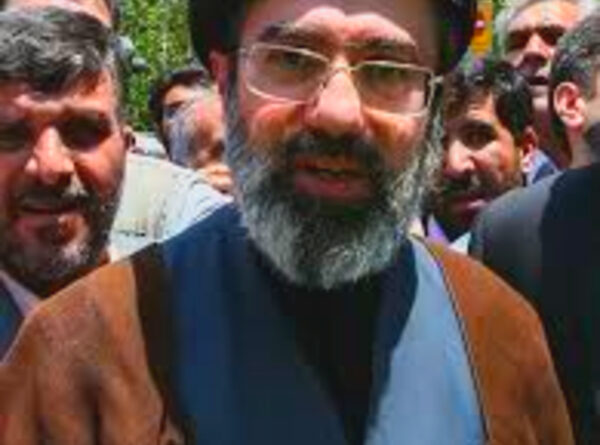
Dubai: Mojtaba Khamenei, the son of Iran’s late Supreme Leader Ayatollah Ali Khamenei, has once again come into focus as a possible successor to the country’s highest political and religious office following the recent Israeli airstrike that reportedly killed the senior leader.
Although Mojtaba Khamenei has never formally held an elected or government position, he has long been viewed within Iran’s political establishment as an influential figure behind the scenes. His name had circulated earlier as a potential contender for the leadership role, a possibility that had drawn criticism from some observers who warned it could resemble a hereditary transfer of power within Iran’s theocratic system.
The Israeli strike targeted the offices of the Supreme Leader in Tehran, where Ayatollah Ali Khamenei, aged 86, was reportedly killed at the start of the ongoing conflict. His daughter-in-law Zahra Haddad Adel was also reported among those killed. Since the attack, Mojtaba Khamenei has not appeared publicly and his whereabouts remain unclear, though reports suggest he may have moved to a secure location as military tensions continue.
The question of succession now rests with Iran’s Assembly of Experts, an 88-member clerical body responsible for selecting the country’s Supreme Leader. The next leader will assume authority over Iran’s armed forces and its broader political and religious establishment at a time when the country faces escalating conflict and international pressure.
Born in 1969 in the city of Mashhad, Mojtaba Khamenei grew up during a period of political upheaval in Iran, including the 1979 Islamic Revolution that brought his father to national prominence. Following the revolution, the family moved to Tehran as Ali Khamenei rose within the Islamic Republic’s leadership structure.
During the Iran-Iraq war in the 1980s, Mojtaba reportedly served with a unit linked to Iran’s Revolutionary Guard. Over the years, he gradually developed influence within his father’s political circle and maintained close ties with senior clerical figures and members of the Revolutionary Guard.
Diplomatic cables and political analysts have often described Mojtaba as an influential adviser and gatekeeper within the Supreme Leader’s office. Some reports suggested that he played a role in shaping internal political alliances and strengthening ties between clerical authorities and the Revolutionary Guard.
The United States imposed sanctions on Mojtaba Khamenei in 2019, alleging that he supported policies linked to Iran’s regional strategy and internal political control.
With Iran facing heightened military pressure and uncertainty following the recent conflict, the decision over the next Supreme Leader carries significant implications. The position holds ultimate authority over the country’s military, strategic policy and religious leadership within Iran’s political system.
As discussions within Iran’s clerical leadership continue, Mojtaba Khamenei remains one of several names believed to be under consideration for the powerful post.


