US-Israel-Iran Conflict Escalates Oil Fears, Global Security Concerns Rise
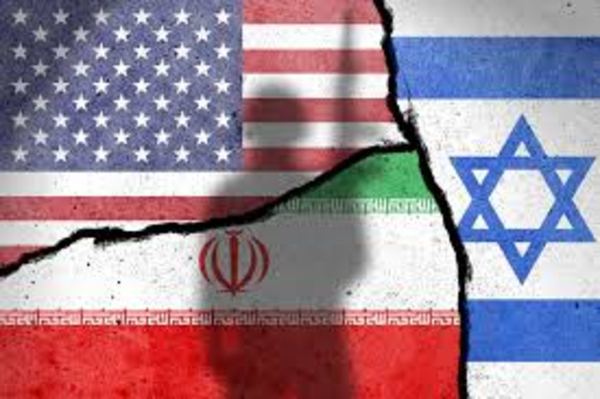
Washington/Tehran: (HS) Oil prices surged further on Wednesday as the ongoing conflict involving the United States, Israel and Iran entered its 12th day, with the International Energy Agency (IEA) announcing the release of emergency oil reserves to stabilise global markets.
According to reports, tensions in the Strait of Hormuz — through which nearly one-fifth of global oil shipments pass — have disrupted maritime movement, raising concerns about supply shortages and price volatility.
The IEA said its member countries hold emergency reserves exceeding one billion barrels and that coordinated releases have been used only during major global crises such as the Gulf War, Hurricane Katrina, the Libya conflict and the Russia-Ukraine war.
US President Donald Trump welcomed the move, stating that the decision would have a significant impact on global energy stability. Speaking during interactions with media, Trump claimed that US operations had caused extensive damage to Iran’s military infrastructure and suggested the conflict could end sooner than anticipated.
He also warned that remaining strategic targets in Iran could be neutralised quickly if required.
Iran, however, issued a strong response, warning that continued hostilities could further destabilise global oil supplies. Iranian military officials cautioned that oil prices could rise sharply due to security disruptions in the region and warned of consequences for vessels linked to countries involved in the conflict.
Meanwhile, incidents involving commercial vessels in the Strait of Hormuz have heightened international concern. India confirmed that a foreign cargo vessel reportedly struck during the tensions was en route to Kandla port in Gujarat. The Ministry of External Affairs condemned attacks on commercial shipping and emphasised the need to protect civilian crew and ensure freedom of navigation.
Regional tensions have also spread beyond the immediate conflict zone, with reports of continued military activity affecting neighbouring countries including Lebanon and Iraq. Iraqi authorities have expressed concern over escalation and reiterated that their territory should not be used for military operations.
Humanitarian concerns are also growing amid reports of civilian casualties and infrastructure damage, though independent verification remains difficult due to the conflict situation.
The developments come amid increasing international calls for restraint as fears grow that prolonged instability in the Gulf region could impact global energy security and trade.


