UN Security Council Adopts Pakistan-Led Statement Calling for Diplomacy During Wars
UNITED NATIONS: The United Nations Security Council has adopted a presidential statement initiated by Pakistan, calling on countries to continue diplomatic engagement even after armed conflicts begin and to pursue efforts aimed at securing ceasefires and lasting political settlements.
The statement, titled The Role of Diplomacy during Active Hostilities, was adopted on Thursday under the November presidency of Latvia. It stresses that diplomatic engagement remains essential during armed conflicts to protect civilians, prevent further escalation and create opportunities for peaceful negotiations.
The statement encourages countries to use mediation, diplomatic channels and direct or indirect communication between parties involved in conflicts. It says such efforts can help reduce tensions, prevent misunderstandings and facilitate humanitarian assistance.
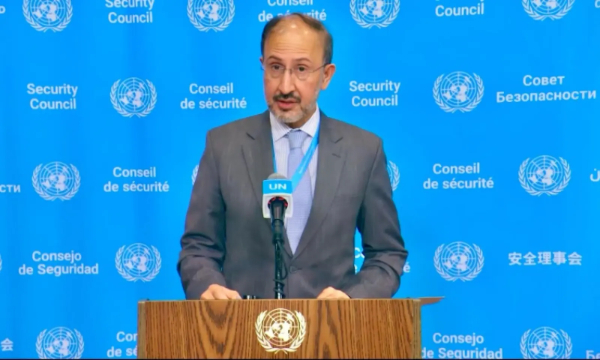
Pakistan’s Permanent Representative to the United Nations, Ambassador Syed Haider Shah, welcomed the adoption and described it as an important contribution to international efforts to resolve conflicts peacefully.
He said diplomacy should not end when hostilities begin, adding that dialogue becomes even more important during periods of conflict.
The Security Council also highlighted the importance of maintaining communication channels between opposing sides. These channels, it said, can support ceasefire initiatives, ensure humanitarian access and reduce the risk of conflicts spreading into other regions.
The statement further underlined that achieving a ceasefire should not be considered the final objective. Continued political engagement is necessary to address the underlying issues and work towards a sustainable settlement.
It also recognised the role of regional and subregional organisations in mediation and conflict resolution, while encouraging closer cooperation with the United Nations.
The UN Secretary-General and his representatives were encouraged to continue using diplomatic initiatives, mediation and good offices to support peaceful settlements.
The adoption provides a common framework for diplomatic engagement during active conflicts and reinforces the Security Council’s emphasis on dialogue, international law and peaceful resolution of disputes.


