Nepal PM Balendra Shah to Visit India Next Week, Hold Talks with PM Modi
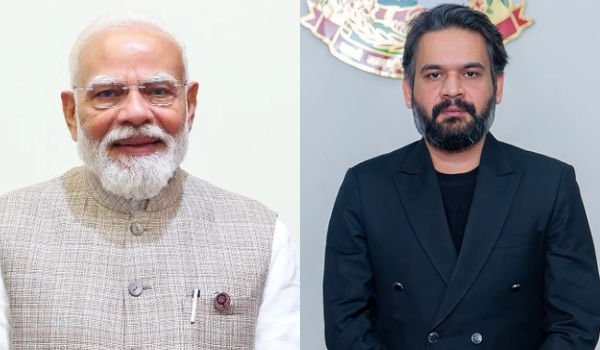
Kathmandu: Nepal Prime Minister Balendra Shah will visit India next week for bilateral discussions with Prime Minister Narendra Modi, marking his first bilateral visit since taking office following the March election.
According to Nepalese officials, Shah is scheduled to meet Modi on Monday during a two-day visit. The discussions are expected to cover a range of bilateral issues, including reconstruction assistance, trade, infrastructure development and energy cooperation.
The proposed visit comes at a time when Nepal is working to rebuild areas severely affected by the devastating floods in August. The disaster caused extensive damage to roads, bridges, power infrastructure, agricultural land and residential areas.
Indian assistance for reconstruction is expected to be among the important subjects during the discussions. India was among the first countries to respond to Nepal following the disaster and has remained a major development partner.
During his visit, Shah is also expected to meet External Affairs Minister S. Jaishankar and President Droupadi Murmu. Nepal’s Foreign Ministry has described the visit as an opportunity to review the existing partnership and identify areas for further cooperation.
Trade and connectivity are also likely to feature prominently in the discussions. Nepal is seeking an additional commercial flight route from western India to Bhairahawa, located near Lumbini, and the tourist city of Pokhara.
Shah will be accompanied by Finance Minister Swarnim Wagle and representatives from the business community.
India and Nepal share longstanding political, economic and cultural ties. India remains Nepal’s largest trading partner and an important source of development assistance.
The upcoming meeting is expected to provide an opportunity for both countries to review ongoing projects, discuss reconstruction priorities and strengthen cooperation in areas of mutual interest.
The visit also comes amid wider regional developments, making regular diplomatic engagement important for maintaining stability and strengthening relations between the neighbouring countries.


